Difficult access property removals Kingston narrow lanes advice
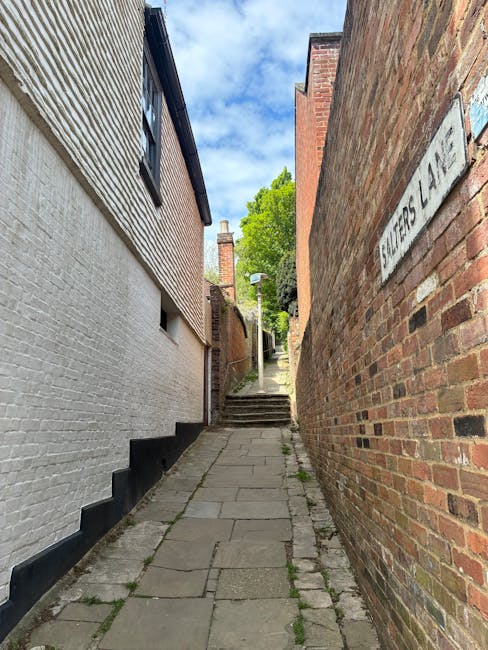
If you are moving in Kingston and the address sits down a narrow lane, tucked behind a terrace, or squeezed into a street with barely enough room for a van, you already know this is not a standard move. Difficult access property removals Kingston narrow lanes advice is really about one thing: making a complicated move feel organised before the truck even turns the corner. The difference between a calm moving day and a stressful one often comes down to access planning, the right vehicle, and a team that understands the limits of the street. You do not want guesswork when a mirror, a staircase, and a neighbour's parked car are all in the way.
This guide explains how difficult access moves work, what to check before booking, which mistakes cause delays, and how to prepare your property so everything flows more smoothly. It also covers practical options such as man and van support, flat removals, packing and boxes, and storage when access is awkward or timing is tight. Honestly, a little planning goes a long way here.
Why Difficult access property removals Kingston narrow lanes advice Matters
Kingston has plenty of charming streets, but charm and convenience are not always the same thing. Narrow lanes, tight turns, restricted parking, shared driveways, low branches, and stepped entrances can all make a move more difficult than it first appears. A sofa may be perfectly manageable in a normal street but become a real puzzle when the van cannot park close enough to the door. That extra ten metres can matter more than people expect.
Why does this matter so much? Because every bit of lost access creates time pressure. Time pressure creates rushed lifting. Rushed lifting leads to damage, strain, and that horrible feeling that everyone is improvising. To be fair, most moving problems are not dramatic on their own; they are small issues stacking up. A narrow lane means the vehicle has to be chosen carefully. Limited kerb space means load timing matters. A second-floor flat with a tight stairwell means furniture may need to be dismantled. One missed detail can ripple through the whole day.
Good access planning also protects your budget. If movers arrive expecting a full-size truck to sit outside the property, then discover they need a shuttle vehicle or a longer carry, the job may take longer than expected. In difficult-access areas, clarity is not a luxury; it is the whole game.
Expert summary: for narrow-lane removals, the best outcome usually comes from combining accurate pre-move access checks, realistic time planning, and a vehicle plan that fits the street rather than forcing the street to fit the vehicle.
How Difficult access property removals Kingston narrow lanes advice Works
A difficult access move starts long before moving day. The process usually begins with an access conversation, then a survey or photo review, followed by a plan for parking, carrying distance, vehicle size, and any item that needs special handling. In some cases, the move is best done with one vehicle close to the property and another waiting in a more suitable location. In others, a smaller van is simply the smarter choice from the start.
On the day itself, the crew usually works through a sequence: protect the route, position the vehicle safely, load the heaviest items first, and keep the flow moving so the carry route does not become a bottleneck. If the lane is especially tight, a smaller removal van or a flexible man with a van arrangement may be better than one large lorry. That is not cutting corners. It is matching the method to the property.
There is also a practical human side to this. Neighbours may need a heads-up, especially if the street is shared or parking is limited. A delivery window may need to be flexible. If the property is a top-floor flat, the team may need to allow for repeated trips, protective handling, and careful turning on stairs. It can sound fiddly, and it is. But once the plan is clear, the job becomes surprisingly manageable.
For business moves or combined residential and commercial access problems, the same principles apply. A small office in a side street can benefit from the same careful planning as a house move. You can also look at office removals or commercial moves if the move involves equipment, desks, or files that need controlled handling.
Key Benefits and Practical Advantages
The biggest benefit of proper difficult access planning is simple: fewer surprises. But there are several more practical gains that matter on the day.
- Less risk of damage: when furniture is planned for the route, there is less chance of scratching walls, frames, or the item itself.
- Smoother timing: a realistic vehicle and loading plan keeps the move from stalling in the lane.
- Lower physical strain: fewer awkward lifts and fewer sudden turns make the job safer for everyone involved.
- Better parking strategy: the right vehicle and access notes reduce the chance of last-minute parking chaos.
- More accurate quotes: once access is understood, estimates tend to be more reliable.
- Less stress on moving day: this is not a small thing. People feel the difference immediately.
There is also a less obvious advantage. Good access planning often helps the whole building or street, not just your move. If movers know where to park, when to load, and which entrance to use, the process feels calmer for neighbours and passers-by. In Kingston's tighter residential pockets, that matters more than people think. Nobody wants a moving truck blocking the lane while someone is trying to get a buggy past. Nobody.
If your move includes boxes, awkward electronics, or a property with lots of stairs, consider a fuller packing plan too. Services like packing and unpacking services can save a lot of faff when access is already difficult.
Who This Is For and When It Makes Sense
This advice is for anyone moving from or into a property where the access is not straightforward. That includes narrow lanes, tight side roads, shared courtyards, terraced streets with limited parking, basement flats, maisonettes, and homes with steps, low ceilings, or a long carry from the road.
It is especially relevant if you are:
- moving from a period property on a small Kingston street
- relocating from a flat with awkward stair access
- planning a student move with lots of boxes and limited parking
- handling furniture that cannot easily be dismantled
- moving an office, studio, or workshop with equipment
- dealing with a same-day move where every minute counts
Sometimes the answer is simply to choose a service that fits the move. A smaller domestic move may suit man with van support. A compact flat move might work well through flat removals. A bigger home move may need broader support from house removals or even house removalists. Truth be told, matching the service to the access problem is half the battle.
Step-by-Step Guidance
Here is the simplest way to approach a difficult access move in Kingston without losing your mind halfway through.
- Map the access route. Look at where the vehicle can actually stop, where the turn is tight, and how far the carry will be from van to door.
- Measure the awkward bits. Door widths, stair turns, banisters, low ceilings, and lift sizes all matter. Measure the item as well as the route.
- Take photos. A few clear pictures of the lane, entrance, stairs, and parking setup can save a lot of back-and-forth.
- List the difficult items. Sofas, wardrobes, beds, white goods, mirrors, and pianos deserve extra attention. If a piano is involved, look at piano removals rather than assuming standard handling will do.
- Decide on the right vehicle. Bigger is not always better. In narrow lanes, the vehicle should fit the street and the parking reality.
- Prepare the property. Clear hallways, remove loose rugs, protect floors, and reserve space near the entrance for boxes.
- Plan the timing. If access is limited by school traffic, rush hour, or local parking patterns, build that into the day.
- Confirm insurance and safety details. You want everyone clear on responsibility, handling, and protection before the move starts.
The practical trick is to think like a mover for ten minutes. Where will the trolley turn? Where will the wardrobe catch? Where will the person carrying the mattress need a pause? Once you ask those questions, the route starts to make sense.
Expert Tips for Better Results
After enough moves, a few habits stand out. Nothing fancy. Just the things that consistently help.
- Book with access, not just with postcode. A Kingston address alone is not enough. The lane, parking, and entrance matter more.
- Use a smaller vehicle where needed. A compact van can be the safer, faster option in a restricted street.
- Disassemble early. Beds, table legs, and some wardrobes are far easier to move in pieces than as a giant awkward lump.
- Label by room and priority. When the carry route is long, quick identification saves time.
- Keep a clear path inside. Even a beautiful home becomes a hazard if boxes are left on stairs.
- Protect the threshold. Door frames and floors take a beating in tight moves, so simple protection pays off.
- Have a fallback plan. If the lane is blocked on arrival, know the nearest legal stopping point.
A slightly odd but useful tip: keep a kettle, tea, and water easy to reach. It sounds small, yet on a cold or damp morning in the UK, that bit of normality helps more than people expect. Also, movers are human. A cup of tea can do wonders. Not legally required, obviously, but still.
If you need boxes or materials in advance, packing and boxes is worth considering before the moving date sneaks up on you.
Common Mistakes to Avoid
Most access problems are avoidable. The issue is that they are often overlooked until the moving truck has already arrived. Here are the repeat offenders.
- Assuming a normal-sized vehicle will fit. This is the classic mistake. It is also the most frustrating one.
- Not checking parking restrictions. If there is nowhere legal to stop, the whole operation slows down.
- Forgetting about the carry distance. Ten extra metres each trip can turn into a long day very quickly.
- Leaving awkward furniture assembled. A large wardrobe through a tight hallway? That rarely ends elegantly.
- Ignoring neighbours or shared access. A bit of courtesy avoids a lot of friction.
- Not mentioning stairs, slopes, or bends. These details matter. A lot.
- Booking too late. Good crews and the right vehicle arrangements can get taken fast, especially around busy weekends.
Another mistake is underestimating the emotional side of the move. Difficult access can make people feel embarrassed, as if they should have "known better." But plenty of homes in Kingston have access quirks. It is normal. The useful thing is not to guess. Share the awkward bits upfront and let the plan adjust.
Tools, Resources and Recommendations
You do not need a warehouse full of kit to manage a difficult access move. But a few practical tools make life easier.
- Measuring tape: for doors, furniture, stairs, and tight turns.
- Floor protection: especially useful in older properties and flats with delicate surfaces.
- Furniture blankets and covers: to reduce scuffs in narrow corridors.
- Strong boxes and tape: well-packed boxes move faster and safer.
- Phone camera: photos of the route are incredibly useful for planning.
- Trolley or sack truck: helpful if the lane requires multiple runs from a safe stopping point.
For larger or combined moves, you may also want temporary holding space. Storage can help when access is awkward, completion dates shift, or you need to split the move into stages. That extra breathing room can make a big difference.
If you are comparing providers, look beyond the headline price. Check whether they discuss access, whether they ask questions about the property, and whether they explain how they handle difficult entry points. A serious mover will usually ask sensible questions before quoting. That is a good sign, not a hassle.
Law, Compliance, Standards, and Best Practice
For a move like this, compliance is mostly about safe working, proper insurance, and sensible planning. In the UK, movers should operate in line with general health and safety duties, vehicle and road rules, and the normal expectations around handling property with care. That includes not blocking access irresponsibly, not overloading vehicles, and not taking unsafe shortcuts because the lane is tight.
It is also worth checking that the company has clear internal policies on insurance and safety. Documents such as a published insurance and safety page, a health and safety policy, and transparent terms and conditions help set expectations. They show that the company has thought through the practical risks instead of winging it. And with narrow lanes, winging it is a bad plan.
Good practice also means being careful with access to communal areas, especially in flats and shared buildings. Lift use, stair protection, and clear communication with residents all help. If the building has restrictions, the mover should work within them rather than trying to force a quick fix. That may sound obvious, but in real life, obvious things get skipped when people are rushing.
For payment and quote clarity, it helps to review the company's pricing and quotes information before you commit. Difficult access jobs are often priced with extra variables in mind, so transparency matters.
Options, Methods, or Comparison Table
Choosing the right removal method depends on access, volume, and timing. A comparison helps make the decision feel less vague.
| Option | Best for | Strengths | Limitations |
|---|---|---|---|
| Man and van | Smaller loads, short carries, quick local jobs | Flexible, easier to position in narrow lanes, often simpler to schedule | Less suitable for large households or bulky multi-room moves |
| Removal van | Compact or moderately sized moves with access limits | Good balance of capacity and manoeuvrability | Still needs sensible parking space and route planning |
| Moving truck | Larger moves where street access is open enough | High capacity, fewer trips when access allows | Can be awkward or impossible in narrow lanes |
| Split move with storage | Staged moves, delayed completions, restricted access days | Reduces pressure and gives more control over timing | Requires extra coordination and usually more preparation |
There is no single winner. The right choice depends on the lane, the property, and the furniture. A large family move down a tight Kingston road is a very different job from a student move with a few boxes and a desk. Sometimes the smartest option is the least dramatic one.
Case Study or Real-World Example
Picture a two-bed flat in a Kingston side street. The road is narrow, parking is limited, and the building sits a short way back from the kerb. The first instinct might be to book the biggest truck available and hope for the best. That would probably create more stress than it solves.
Instead, the move is planned around access. The team asks for photos of the road, the hallway, and the stairwell. It becomes clear that the front entrance is tight and the carry from the safest stopping point is longer than expected. The sofa will need to be split, the bed frame dismantled, and the van kept smaller so it can stop without obstructing the lane. Boxes are labelled by room, and the heaviest items go first.
On the day, there is no frantic reshuffling. The van parks where it can, the carry route is protected, and the move runs in steady loops. A little slower than a textbook house on a wide suburban road? Yes. But safe, organised, and far more controllable. That is the point. Sometimes the win is simply getting through the day without drama.
A similar setup often works for student relocations too, especially where access is tricky and budgets are tight. For that sort of move, student removals can be a sensible fit.
Practical Checklist
Use this before you confirm the booking. It saves headaches.
- Have I measured the largest furniture and the tightest access points?
- Have I shared clear photos of the lane, entrance, stairs, and parking area?
- Do I know where the vehicle can legally stop?
- Have I told the mover about any narrow turns, steps, or low ceilings?
- Have I separated items that need special care, like mirrors or a piano?
- Have I booked enough time for a slower carry route?
- Are boxes packed securely and labelled by room?
- Do I need dismantling, packing help, or storage?
- Have I checked insurance, safety, and terms?
- Have I warned neighbours or the building manager if needed?
One small but useful thing: keep essentials aside in a bag you can actually reach. Keys, chargers, documents, tea bags, snacks, meds, and a charger. The boring little survival kit. It matters more than people admit.
Get a free quote today and see how much you can save.
Conclusion
Difficult access moves in Kingston are very manageable when the planning is honest and the setup fits the street. Narrow lanes, limited parking, shared entrances, and awkward stairs do not have to ruin the day. They just need a method that respects the property rather than fighting it. Measure carefully, send photos, choose the right vehicle, and prepare the route before anyone lifts a thing.
If you take one thing from this guide, let it be this: access details are not minor details. They are the job. And once you treat them that way, everything else gets easier. A bit more calm, a bit less wobble, and a much better moving day.
When you are ready, choosing a team that understands tough access can turn a stressful move into something properly workable. That is a relief, really.
Frequently Asked Questions
What counts as a difficult access property removal in Kingston?
It usually means the vehicle cannot park right outside, the lane is too narrow for a larger truck, or the entrance involves tight stairs, turns, or a long carry from the road. Even a short distance can count if it makes loading awkward.
Do I need to tell the removals company about narrow lanes before booking?
Yes. The more detail you give, the more accurate the plan and quote are likely to be. Photos are often the easiest way to show the access situation clearly.
Is a man and van service better for narrow streets?
Often, yes. A smaller vehicle can be much easier to position in tight lanes and may reduce stress on moving day. It depends on how much you are moving, though. Bigger jobs still need proper planning.
Can a full house move still work in a narrow Kingston lane?
It can, but it may need a smaller vehicle, more time, or a split loading plan. Sometimes the move works best with a staged approach rather than trying to force everything into one run.
What should I measure before a difficult access move?
Measure door widths, stair turns, the widest furniture pieces, and any tight gaps on the route. If possible, measure the parking space or stopping point too. That is the bit people forget most often.
How far in advance should I arrange a difficult access removal?
As early as you can. Access-heavy moves need more discussion and may need a specific vehicle or route plan. Leaving it too late can narrow your options, especially on busy weekends.
Will I pay more for a removal in a narrow lane?
Possibly, because access issues can mean extra time, smaller vehicles, or more labour. But not every difficult access move costs more in the same way. A clear survey or quote is the best way to know.
Should I dismantle furniture before moving day?
If the property has tight access, usually yes for large items such as beds, wardrobes, and table legs. Dismantling can reduce the risk of damage and make the carry route much easier.
What if parking is impossible right outside my home?
Then the move needs a plan for the nearest safe and legal stopping point. The team may use a smaller van, a longer carry route, or a staged load. It is not ideal, but it is very workable with the right approach.
Do I need storage if my access is difficult?
Not always. But storage can help if completion dates shift, if the property is not ready, or if a staged move would reduce pressure. It is a practical option, not a last resort.
Are flat removals more complicated in narrow lanes?
They can be, especially if there are stairs, limited parking, or shared entrances. A well-planned flat removals service can still make the process smooth enough, just with more attention to the details.
How do I know if a removal company is serious about access planning?
They should ask sensible questions about parking, stairs, vehicle size, and furniture dimensions. If they seem to ignore those details, that is a sign to slow down and ask more questions before you commit.