Kingston council moving permits for parking and skip rules
If you are planning a move in Kingston, the paperwork can feel more stressful than the lifting. Kingston council moving permits for parking and skip rules sit right at the centre of that problem: one side is about making space for the vehicle, the other is about placing a skip legally and safely. Miss either piece and a simple moving day can turn into blocked access, a parking fine, or a last-minute scramble for alternatives. The good news? Once you understand how the process usually works, it becomes much easier to plan a calm, organised move.
This guide breaks it down in plain English. You will learn why permits matter, what to expect, how to approach parking and skip arrangements step by step, and where people most often go wrong. It also includes a practical checklist, a comparison table, and a realistic example so you can see how it all fits together in the real world.
- Why it matters
- How it works
- Key benefits and practical advantages
- Who this is for
- Step-by-step guidance
- Expert tips
- Common mistakes
- Tools, resources and recommendations
- Law, compliance and best practice
- Options and comparison table
- Case study example
- Practical checklist
- Conclusion
- Frequently asked questions
Why Kingston council moving permits for parking and skip rules Matters
Moving day has a habit of exposing every weak spot in the plan. The van arrives, the street is narrower than you remembered, neighbours have parked right where the lifting team needs to stop, and suddenly the whole schedule slips. That is why parking permissions and skip rules matter so much. They are not just administrative extras. They decide whether your move can happen safely, legally, and without avoidable delays.
In Kingston, as in many parts of London, streets can be tight, bays can be controlled, and there may be loading restrictions, permit zones, or safety concerns around access. If you are moving from a flat, handling a full house, or supporting a business relocation, access is often the difference between a smooth morning and an expensive headache. Truth be told, people often only notice this once a driver is already circling the block.
Skip rules matter for the same reason. A skip is useful when you are clearing loft clutter, old furniture, broken cabinets, or renovation waste during a move. But skips cannot simply be dropped anywhere. Placement, size, timing, and the need for permission can all affect whether the job stays compliant and tidy. If you plan badly, the skip becomes one more thing to worry about instead of a helpful shortcut.
For readers organising a larger removal, it can also be worth thinking beyond the permit itself and looking at support services that reduce pressure on the day. For example, many people combine access planning with home moves, flat removals, or man and van support so the vehicle choice matches the street layout. If you are shifting a business, commercial moves and office removals bring their own access challenges too.
Expert summary: The most efficient moves in Kingston tend to be the ones where parking, loading space, and waste removal are planned together rather than treated as separate tasks.
How Kingston council moving permits for parking and skip rules Works
At a practical level, there are two separate but related questions: where will the moving vehicle stop, and where will any skip sit? The answer depends on the location, the type of road, whether the space is controlled, and how long the vehicle or skip needs to remain in place.
Parking permits for moving vehicles
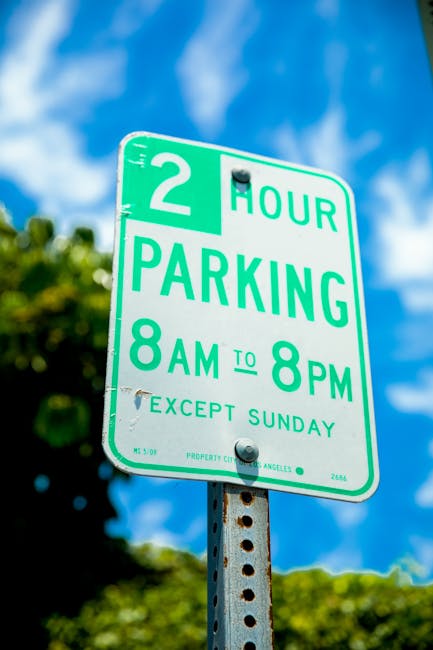
If your moving van, removal truck, or even a smaller vehicle needs to occupy a controlled bay, suspend a bay, or stop where normal parking is restricted, a permit or temporary approval may be required. The exact requirement depends on the street and the council's rules for that location. Sometimes a loading area can be used briefly. Sometimes a permit is needed in advance. And sometimes the only sensible move is to park a little further away and use a shuttle approach with a smaller vehicle. Not glamorous, but effective.
Parking access is especially important if you are using a larger vehicle such as a moving truck or arranging removal truck hire. Bigger vehicles need more room to manoeuvre, and the wrong bay choice can block traffic or prevent safe lifting. Smaller options like removal van services or man with van support may fit better on some streets, especially where access is awkward.
Skip rules and placement
Skip rules typically focus on where the skip is placed, how long it remains, and whether the site is safe and permitted. If the skip is placed on a public road or within a controlled parking space, permission may be necessary. If it sits on private land, the rules can be different, but you still need to think about access, surface protection, visibility, and waste separation.
That distinction matters. A skip on a driveway is a very different prospect from a skip on a narrow residential street outside a terrace of Victorian homes. You will often need to think about visibility for drivers, room for doors and tail lifts, and whether the placement will block residents or emergency access. It sounds obvious, but people do forget this.
For larger decluttering jobs, skip planning may also sit alongside furniture disposal or recycling. In those cases, it can help to review furniture pick up and furniture removals options so reusable items are handled properly rather than pushed straight into mixed waste. If storage is part of the plan, storage can reduce pressure and let you clear access in stages.
Key Benefits and Practical Advantages
When permits and skip rules are handled properly, the benefits are immediate and very real. Less waiting. Less confusion. Fewer awkward phone calls on moving morning. And, most importantly, a lower chance of fines or disruption.
- Better access: the vehicle can stop where it is actually needed, rather than somewhere "close enough".
- Safer loading: fewer long carries with heavy boxes, wardrobes, or appliances.
- Less stress: your team can focus on moving, not improvising.
- Cleaner site management: skips and waste are placed with more control and less mess.
- Reduced risk of delays: no last-minute hunting for legal parking or a different waste solution.
One practical advantage that is often overlooked: planning access can save real time on the day. Even a 10-minute delay compounds quickly if furniture has to be carried down flights of stairs or across a long pavement. If you are moving from a top-floor flat, that difference is not small. You feel it by lunchtime.
For businesses and households alike, permits also help keep the move orderly. That can matter if you are coordinating with neighbours, building managers, or a landlord. A permit and a clear skip plan show that you are taking the job seriously, which tends to make everyone less twitchy.
If you are comparing service providers, it is worth looking for a team that understands access planning as part of the whole move, not as an afterthought. Pages such as removals, removal services, and removal companies can help you think about the broader logistics, while specialised options like same day removals may be useful if timings are tight.
Who This Is For and When It Makes Sense
This topic matters to more people than you might think. It is not just for big house moves with a lorry outside. It affects anyone who needs temporary road access, loading space, or a skip placed in a controlled or congested area.
- Home movers: especially if you live on a busy street, cul-de-sac, or controlled parking zone.
- Flat movers: access, stairwells, and limited waiting space can make permits essential.
- Student movers: term dates, shared houses, and quick turnarounds often create parking pressure.
- Office managers: commercial moves often involve careful timing and loading access.
- People clearing a property: skips are often needed when doing a bigger tidy-up or probate clear-out.
- Anyone using a larger vehicle: especially where street width is limited or parking is restricted.
It also makes sense when the move has multiple parts. For example, you might be moving out of a flat, storing some items, and sending old furniture away at the same time. In that case, access and waste planning are not optional extras. They are core parts of the move.
A small but useful point: if the property is part of a managed building, ask about rules before you assume the council process is the only one that matters. Building managers and landlords sometimes have their own booking windows, lift protection rules, or loading bay restrictions. Annoying, yes. But easier to handle before the van is outside.
Step-by-Step Guidance
Here is a sensible way to approach Kingston council moving permits for parking and skip rules without overcomplicating it.
- Check the property type and street layout. Look at whether the road is narrow, controlled, or difficult for larger vehicles. Take note of permit bays, yellow lines, or loading restrictions.
- Estimate the size of the vehicle needed. A van may be enough for a smaller move, but a full household move, piano, or office relocation may require something larger. Match the vehicle to the street, not the other way round.
- Decide whether a skip is really needed. If you are moving most items intact, a skip may be unnecessary. If you are clearing bulky waste or renovation debris, it may make sense.
- Confirm where the skip or vehicle can legally go. Public road, private drive, shared forecourt, or loading bay all have different implications.
- Allow time for approvals. Do not leave parking arrangements until the evening before. That is when mistakes get expensive.
- Prepare neighbours and occupants. A polite heads-up goes a long way. Nobody enjoys surprise road disruption at 7 a.m.
- Build in a backup plan. If the closest bay is unavailable, have a second option ready. The day always has its little surprises.
If you are organising packing too, this is where packing and boxes and packing and unpacking services can really help. Efficient packing reduces the number of trips and shortens the time the vehicle needs to remain in place. That, in turn, can make parking management easier.
For a house move, it can also be smart to align the parking plan with the removal schedule. If the vehicle arrives too early, you may end up occupying space before the team is ready. Too late, and the day drifts. Small detail, big impact.
Expert Tips for Better Results
Experience tends to teach the same lesson over and over: the better the access plan, the calmer the move. Here are a few practical tips that make a real difference.
- Measure the pinch points. Curbs, gates, tight corners, and stairwells can all slow the job down if ignored.
- Use the smallest suitable vehicle. Bigger is not always better. On a cramped street, a smaller van can be the cleverer choice.
- Think about unloading order. Load the items you will need last near the front or back, depending on the setup. Saves faffing.
- Keep a clear buffer around the skip. You want safe access for loading waste, not an obstacle course.
- Protect the surface. Driveways and pavements can be damaged by heavy loads if not considered properly.
- Plan for weather. A wet morning, a bit of drizzle, and cardboard becomes slippery fast. British summer, basically.
One more thing: communicate clearly with everyone involved. If the mover, driver, skip provider, and property contact are not aligned, the day becomes a chain of tiny misunderstandings. Nobody wants that. A single, simple written plan often does more than a long phone call.
If you want a more hands-on support option, services such as man with a van, man with van, or removal van can be a practical fit for smaller or more flexible moves. For larger or more complex jobs, house removals and house removalists may be the better match.
Common Mistakes to Avoid
Most problems with parking permits and skip rules are avoidable. The trouble is, they often seem minor at the planning stage. Then they become very non-minor on the day.
- Leaving it too late: parking restrictions and skip arrangements are not something to sort after breakfast on moving day.
- Assuming a nearby bay is available: parking looks simple until a resident arrives home or a delivery truck blocks the space.
- Ignoring vehicle size: a long vehicle may not fit where a small van would.
- Forgetting building rules: internal access, lift use, and booking windows can all affect the move.
- Placing a skip without checking the surface: driveways, grass, and weak paving can all suffer damage.
- Mixing waste without thinking: some items should be separated for recycling, safe disposal, or specialist handling.
Another common slip is overestimating how quickly a property can be cleared. People often think, "It's only a few rooms." Then there are wardrobes, under-stairs cupboards, garden items, and three bags of loose bits that nobody accounted for. Happens all the time.
It is also worth avoiding the temptation to make the move work around a bad parking setup. If the access is poor, the whole operation slows down. A better plan is nearly always available, even if it means a smaller vehicle or a staged move.
Tools, Resources and Recommendations
You do not need a complicated toolkit to organise this properly. What helps most is a clear set of notes and a sensible timeline. Keep everything together so you can see the move as one joined-up process rather than a pile of separate jobs.
- Simple site notes: record bay locations, width restrictions, and where the vehicle can safely pause.
- Photo references: quick pictures of the street, entrance, or loading area can help you judge space later.
- Inventory list: knowing what is moving, what is being stored, and what is being disposed of saves confusion.
- Packing materials: sturdy boxes and protective wrap reduce delays caused by fragile or awkward items.
- Removal plan: decide what happens first, second, and last.
For many moves, the most useful combination is planning plus practical support. A team that handles the loading, transport, and positioning of the vehicle can reduce a lot of friction. If you are comparing options, consider whether the provider also offers packing and unpacking services, moving truck support, or even storage for items that do not need to go straight to the new place.
For sustainability-minded moves, it also makes sense to think about reuse and recycling before disposal. The pages on recycling and sustainability and furniture pick up are useful reminders that good moving practice is not just about speed. It is also about making better decisions with less waste.
Law, Compliance, Standards, or Best Practice
This topic sits in the practical zone where local rules, traffic safety, and waste handling meet. The exact requirements depend on the location, the road, and the nature of the work, so it is wise to treat any permit or skip arrangement carefully rather than casually.
In plain terms, compliance means making sure the parking arrangement does not create a hazard, and the skip does not block access or sit somewhere it should not. Best practice usually includes checking road restrictions, allowing enough clearance for pedestrians, keeping the site tidy, and making sure waste is handled responsibly. If a skip is used, it should be positioned in a way that does not create avoidable danger or nuisance.
On the moving side, good practice also includes safe manual handling, careful lifting, suitable vehicle loading, and proper insurance arrangements. If you are unsure whether the move is too complex to manage alone, that is usually a sign to bring in support. Services like insurance and safety and health and safety policy pages can help you judge the level of care a provider applies to the job.
If you are moving a business, it is especially wise to think in terms of continuity. A poor parking plan can delay staff access, disrupt deliveries, and create avoidable downtime. For those jobs, office relocation services are often about more than transport. They are about keeping the operation functioning while the building changes around it.
Options, Methods, or Comparison Table
There is more than one way to manage parking and waste during a move. The best option depends on your street, property type, and how much you are shifting. Here is a simple comparison.
| Option | Best for | Strengths | Limitations |
|---|---|---|---|
| Single larger removal vehicle | House moves, bulky furniture, fuller loads | Fewer trips, efficient loading | Needs more access space and stronger parking planning |
| Smaller van with multiple runs | Flat moves, student moves, tight streets | Flexible, easier to park | Can take longer and needs more coordination |
| Skip on private land | Clear-outs, mixed waste, property projects | Handy for bulk disposal, tidy site control | Requires enough space and sensible placement |
| Skip on road or controlled space | Areas with limited driveway access | Useful where private placement is impossible | May involve more permissions and tighter time controls |
| Removal plus storage | Moves with staged timing or delayed completion | Reduces pressure, keeps access clearer | Extra planning needed, and not everything moves at once |
There is no perfect one-size-fits-all answer. A compact flat move on a quiet side street will look very different from a multi-room house clear-out on a busy road. That is normal. The aim is not perfection; it is choosing the least stressful workable setup.
Case Study or Real-World Example
Picture a couple moving out of a second-floor flat in Kingston on a Friday morning. The road outside is narrow, with limited bays and a few resident permits in play. They also want to clear an old sofa, a broken wardrobe, and several bags of mixed household clutter. They had originally assumed one big vehicle would be simplest. In practice, that would have made parking awkward and slowed loading.
Instead, they split the plan into three parts. First, they checked which side of the street offered the safest stopping point. Second, they used a smaller removal vehicle so access was easier. Third, they arranged waste handling separately rather than trying to force everything into the move itself. They also kept a few items in storage because the new place was not fully ready yet.
The result was a calmer day. No frantic re-parking. No blocked entrance. No pile of unwanted furniture in the hallway. Just a steady, slightly messy, but manageable move. To be fair, moves rarely feel elegant. But they can feel controlled, and that is usually what people really want.
For a similar type of move, a mix of student removals, flat removals, or same day removals can make sense depending on timing and load size. The best choice is the one that matches the reality of the property, not the fantasy version of it.
Practical Checklist
Use this checklist before moving day. It is simple, but it catches a lot of avoidable problems.
- Confirm the property address and street access details.
- Check whether the road has parking controls or loading restrictions.
- Decide whether a permit, temporary parking arrangement, or different vehicle size is needed.
- Review skip placement needs and whether the skip will sit on private or public ground.
- Measure awkward access points, including gates, stairs, and narrow turns.
- Tell neighbours, building managers, or landlords if access may be affected.
- Separate items for moving, storage, recycling, and disposal.
- Prepare boxes, labels, and any protective materials in advance.
- Keep the loading area clear on the day.
- Have a backup plan if the intended parking space is unavailable.
And one more tiny habit that helps more than people expect: keep your phone charged. Not profound, but useful when the driver is calling from the corner and someone has parked in the plan. Happens at the worst possible moment, of course.
Conclusion
Kingston council moving permits for parking and skip rules can feel like a small detail in a much bigger move, but it is usually one of the details that decides whether the day runs smoothly. If you get access right, everything else becomes easier: loading, lifting, waste handling, and timing. If you ignore it, the whole job can wobble.
The safest approach is to think about the move as one connected plan. Vehicle size, parking access, skip placement, waste handling, and storage all need to work together. That is especially true in a busy London setting where a few metres of curb space can make all the difference. Keep it simple, keep it realistic, and give yourself enough time to make decisions before the pressure starts.
Get a free quote today and see how much you can save.
With the right planning, even the awkward bits become manageable. And once the last box is inside, the street feels a lot quieter, which is a lovely moment, really.
Frequently Asked Questions
Do I need a permit for a moving van in Kingston?
It depends on where the van needs to stop, how long it will be there, and whether the road has parking restrictions. In a controlled or narrow street, some form of permission or alternative parking plan may be needed.
Are skip rules different from parking rules?
Yes. Parking rules relate to the vehicle stopping or waiting, while skip rules focus on where the skip sits, how it is placed, and whether that location needs permission. They often overlap, but they are not the same thing.
Can I leave a skip on the road during a house move?
Sometimes, but not automatically. If the skip is on public land or in a controlled parking space, permission is usually part of the conversation. Always check the arrangement before delivery.
What happens if I do not arrange access properly?
You may face delays, extra carrying distance, missed time slots, parking problems, or compliance issues. In some cases, the move may need to be rescheduled or adapted on the spot.
Is a smaller van better than a big truck in Kingston?
Not always, but often on tight streets. A smaller vehicle is easier to park and manoeuvre, while a larger truck may reduce the number of trips. The best choice depends on access and volume.
Should I get a skip or use removal services instead?
If you have a lot of waste, mixed clear-out items, or bulky rubbish, a skip can be useful. If most of what you are moving is staying in good condition, removal services and recycling-focused options may be better.
How early should I plan parking and skip arrangements?
Earlier than most people think. Give yourself enough time to check the street, confirm access, and allow for any permissions or practical adjustments. Last-minute planning is where stress multiplies.
What if my property is a flat with awkward access?
That is exactly the kind of situation where planning matters most. Flat removals often need careful parking, shorter carrying distances, and efficient loading. Smaller vehicles or staged moves can help.
Can storage help with parking or skip issues?
Yes. If not everything needs to move on the same day, storage can reduce the size of the load and make access simpler. It is especially useful for phased moves or renovation gaps.
Are office moves subject to the same access problems?
Very much so, and sometimes more. Office removals often need timed loading, multiple desks or IT items, and less room for disruption. Parking and waste planning become even more important.
What is the safest way to handle old furniture during a move?
Separate it early. Some items may be suitable for furniture pick up, others for furniture removals, recycling, or storage. The safest plan is usually the one that avoids last-minute decisions in a busy hallway.
How do I choose the right moving support?
Match the support to the property and the access. A man and van service may suit smaller or more flexible jobs, while a full removals team may be better for larger, more complex moves. If in doubt, start with the access problem first.